What to Expect From Commercial Paving Services in Portland, OR
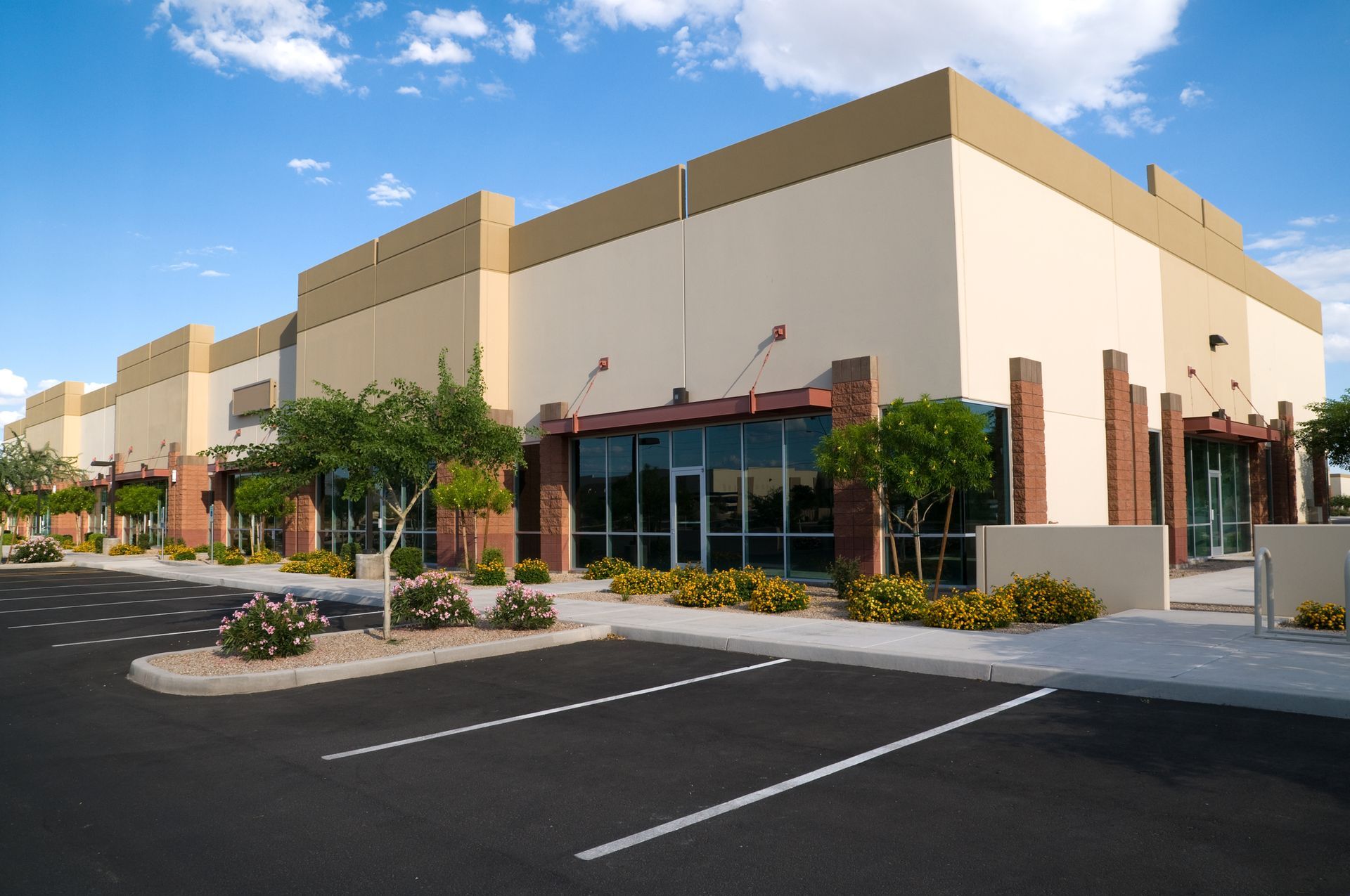
Commercial asphalt paving projects play a critical role in ensuring that business properties maintain safe, durable, and visually appealing surfaces capable of handling consistent traffic and environmental exposure. These projects are commonly applied to parking lots, access roads, loading zones, and industrial areas where structural integrity and functionality are essential. A well-executed commercial paving services approach not only improves the overall appearance of a property but also enhances safety for vehicles and pedestrians by providing a smooth, stable, and properly marked surface. Additionally, investing in quality paving helps reduce long-term repair costs and minimizes disruptions caused by surface deterioration.
Step-by-Step Commercial Asphalt Paving Process Overview
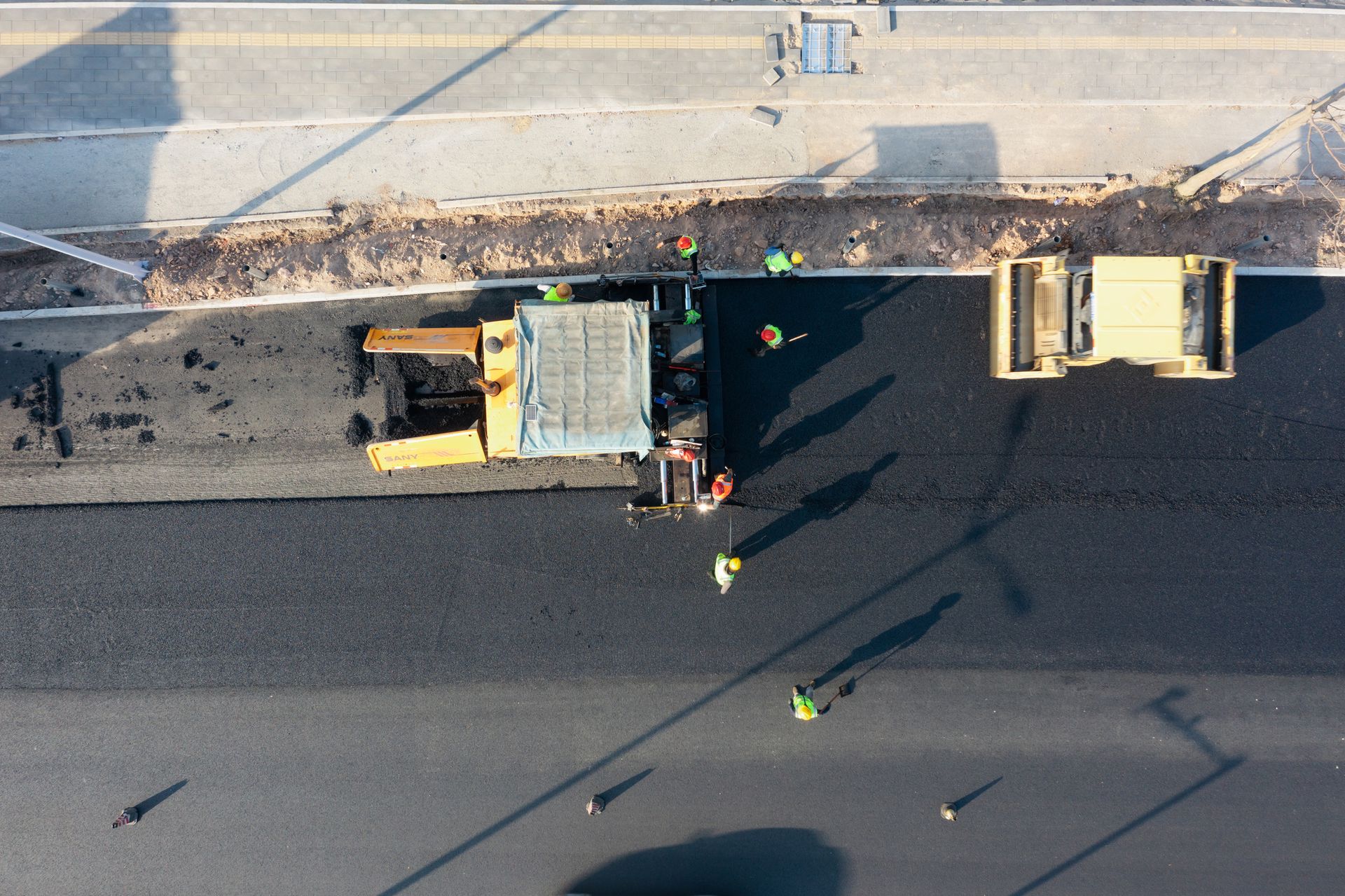
Understanding the paving workflow helps ensure transparency, efficiency, and quality results when working with a professional team. The commercial paving services process follows a structured sequence of stages designed to deliver a durable and long-lasting surface.
Below is a breakdown of the typical step-by-step process:
- Inspection: The site is evaluated to assess existing conditions, identify issues, and determine project requirements.
- Preparation: The area is cleared of debris, vegetation, and any damaged materials to create a clean working surface.
- Grading: The ground is leveled and shaped to ensure proper slope and drainage for water runoff.
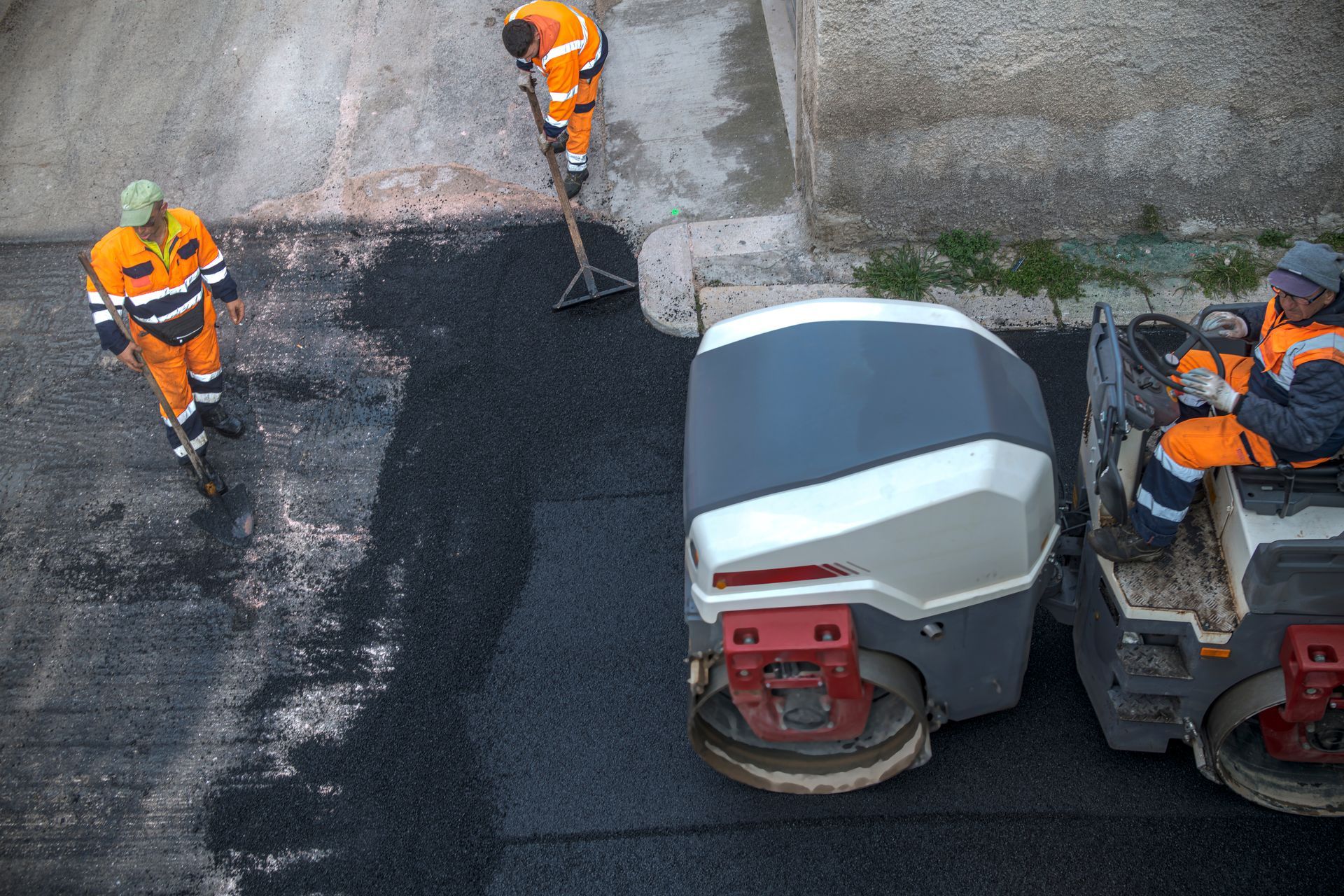
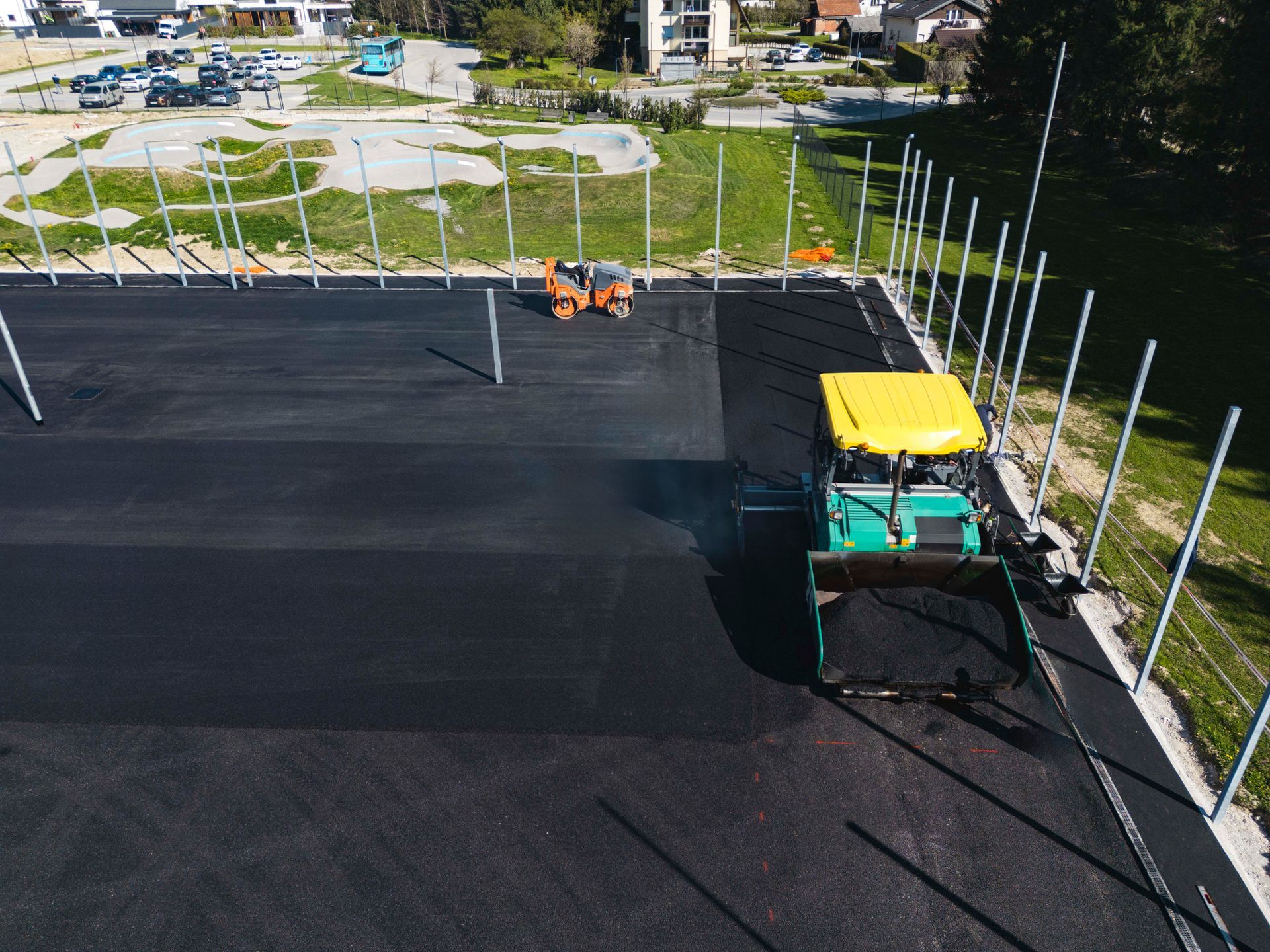
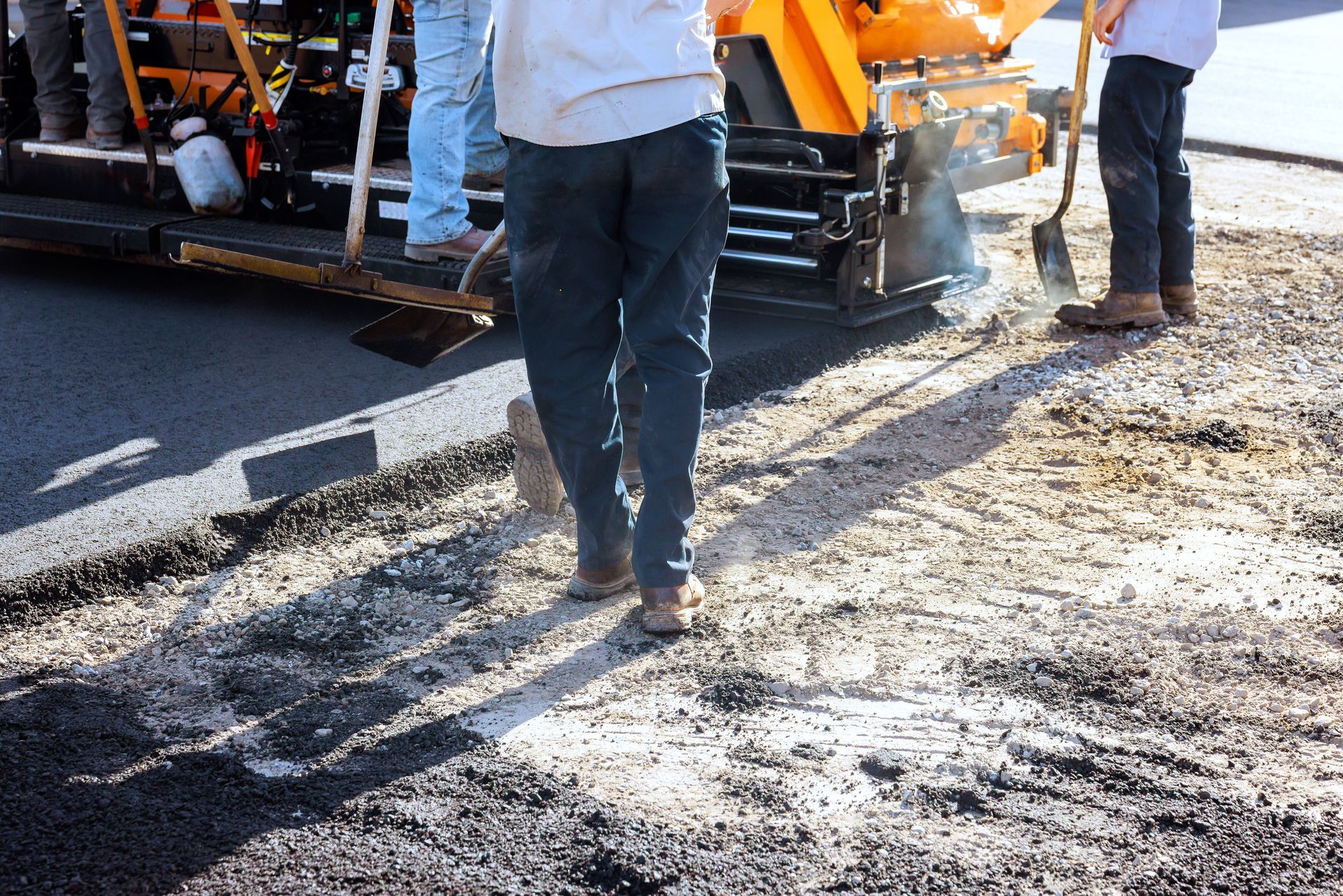
- Paving: Asphalt or other materials are applied and evenly distributed using specialized equipment.
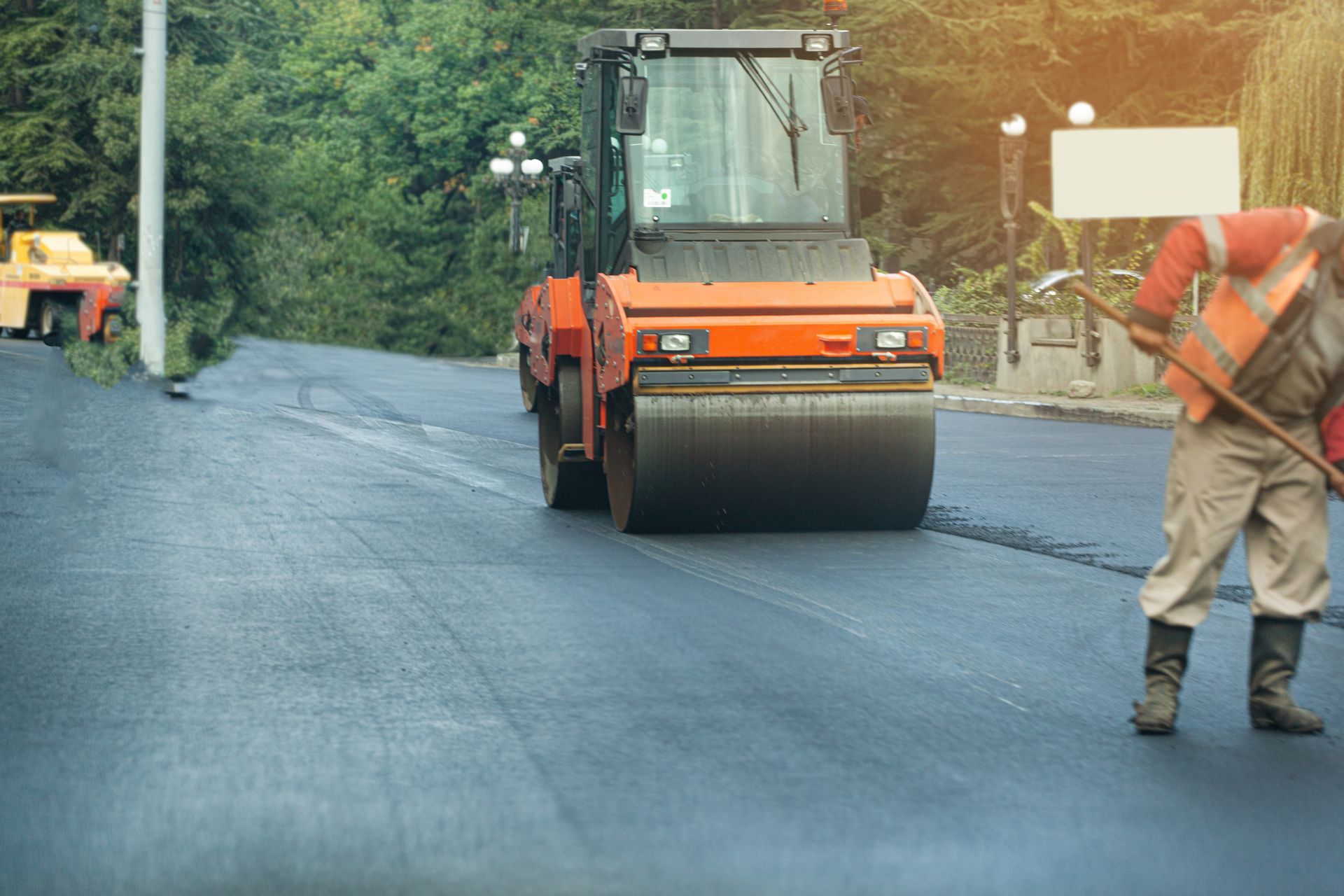
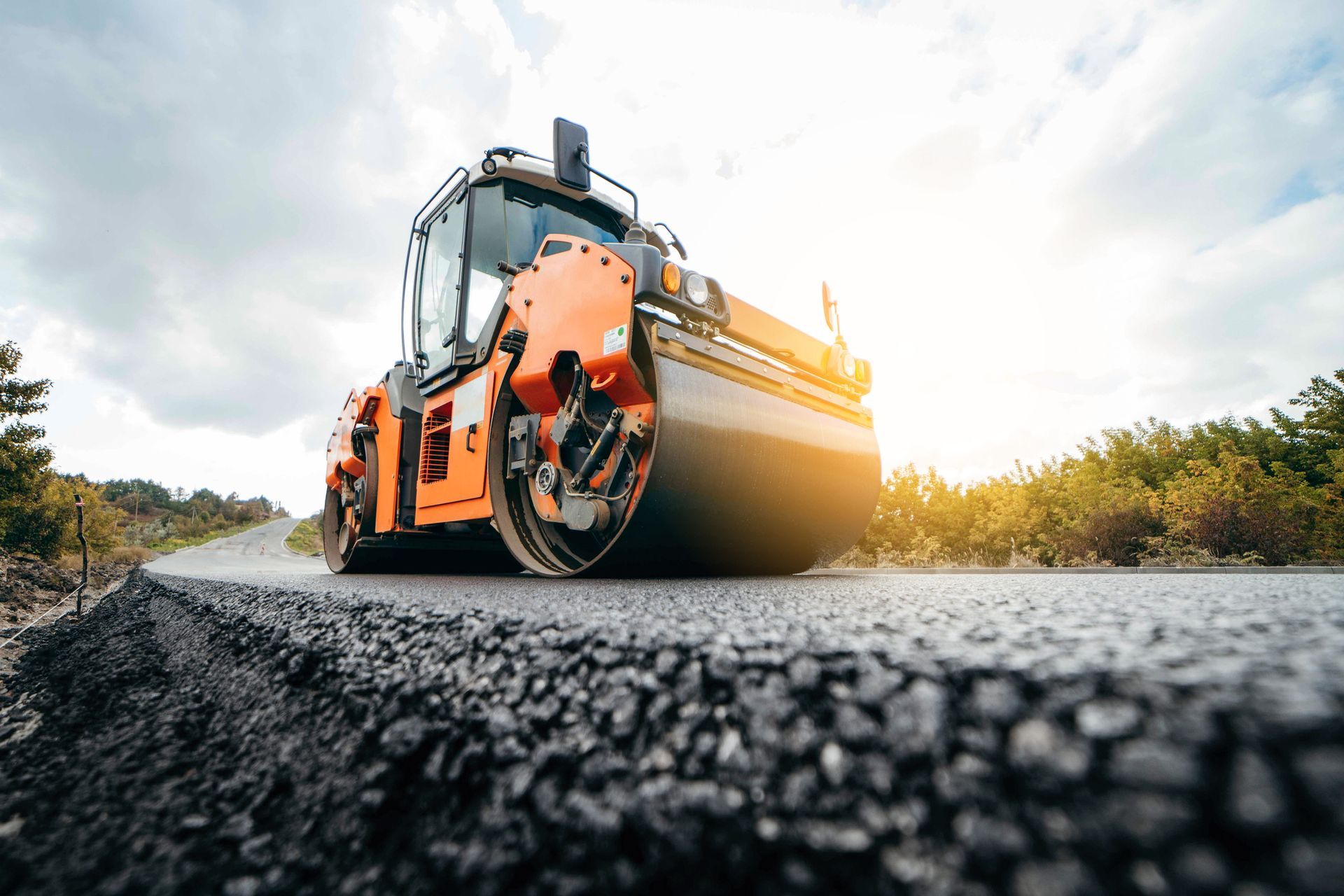
- Finishing: The surface is compacted, smoothed, and finalized to achieve optimal durability and a clean, professional appearance.
Types of Commercial Paving Services
Commercial surfacing solutions are designed to address awide range of surface needs, from new installations to ongoing maintenance andimprovements. A comprehensive approach within commercial paving servicesensures that every aspect of a pavement’s performance, appearance, and safetyis properly managed.
Below are the most common types of services offered:
- Asphalt Paving: Installation of new asphalt surfaces forparking lots, roadways, and commercial properties, designed for durability andheavy traffic.
- Sealcoating: Application of a protective layer that helpsshield asphalt from UV rays, water penetration, chemicals, and oxidation.
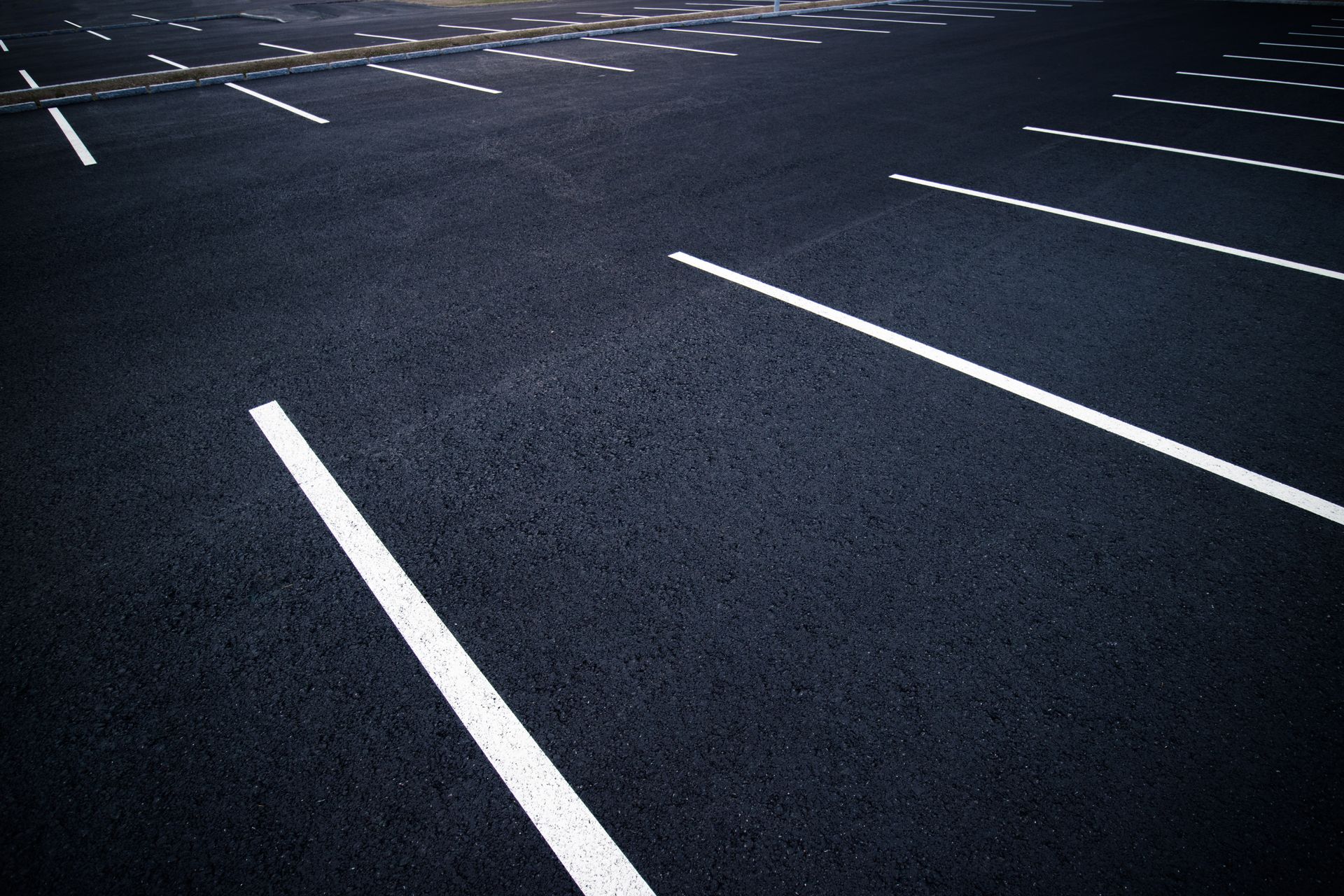
- Striping: Professional line marking for parking spaces,directional flow, ADA compliance, and overall site organization.
- Repairs: Includes crack filling, pothole repair, patching,and resurfacing to restore structural integrity and prevent further damage.
Timeline Expectations for Commercial Projects
Understanding the timeline of a business paving projecthelps property owners plan operations, manage access, and minimize disruptions.While each project varies based on size, scope, weather conditions, and sitecomplexity, business paving solutions generally follow a predictable schedulethat includes preparation, execution, and curing phases. Proper planning,efficient coordination, and favorable site conditions all contribute to keepingthe project on track and within the expected timeframe.
Below is a general breakdown of typical timelineexpectations:
- Initial Inspection & Planning (1–3 days): Siteevaluation, measurements, and project planning are completed to define scopeand requirements.
- Site Preparation (1–5 days): Clearing debris, removingexisting pavement (if needed), and preparing the base for installation.
- Grading & Base Work (1–4 days): Establishing properelevation, slope, and drainage while compacting the sub-base for stability.
- Paving Installation (1–3 days): Asphalt or paving materialsare applied, leveled, and compacted using specialized equipment.
- Finishing & Line Striping (1–2 days): Final compaction,surface detailing, and striping are completed for functionality and compliance.
- Curing & Access Restrictions (24–72 hours or more): Thesurface requires time to properly cure before full traffic is allowed,depending on conditions and project type.
Importance of Proper Drainage and Foundation Work
Proper drainage and a well-prepared foundation are essentialcomponents of any successful commercial paving project, as they directly impactthe durability, safety, and longevity of the surface. Without adequatedrainage, water can accumulate on or beneath the pavement, leading to issuessuch as cracking, potholes, erosion, and premature deterioration.
Below are key reasons why drainage and foundation work arecritical:
- Prevents Water Damage: Efficient drainage systems directwater away from the pavement, reducing the risk of pooling and structuralweakening.
- Enhances Structural Stability: A well-compacted baseprovides a solid support system that helps distribute weight evenly across thesurface.
- Reduces Long-Term Repair Costs: Proper initial constructionminimizes the likelihood of costly repairs caused by foundation failure orwater infiltration.
- Improves Surface Longevity: A stable base combined witheffective drainage significantly extends the lifespan of the pavement.
- Maintains Safety Standards: Eliminating standing water andsurface irregularities helps prevent hazards for vehicles and pedestrians.
How Professional Contractors Ensure Quality andLongevity
Professional contractors specializing in commercial pavementfollow industry best practices, use high-quality materials, and apply preciseinstallation techniques to ensure durable and long-lasting results. Theirapproach typically includes thorough planning, proper site evaluation, and theuse of advanced equipment to achieve accurate grading, compaction, and materialplacement.
Below are key methods professionals use to ensure qualityand longevity:
- Comprehensive Site Assessments: Evaluate soil conditions,drainage, and project requirements before beginning work.
- Proper Base Preparation: Install and compact a stablefoundation to support the surface and prevent shifting or settling.
- High-Quality Materials: Use durable asphalt mixes and provenmaterials suited for commercial traffic loads.
- Precision Equipment & Techniques: Utilize specializedmachinery to ensure even paving, correct thickness, and proper compaction.
- Strict Quality Control: Conduct inspections throughout eachphase to identify and address potential issues early.
- Adherence to Local Standards: Follow regional guidelines andbest practices to ensure compliance and optimal performance.
Tips for Maintaining Paved Surfaces After Installation
Proper maintenance after installation is essential topreserve the appearance, performance, and lifespan of commercial pavedsurfaces. Regular upkeep helps prevent minor issues from developing into costlyrepairs while ensuring the pavement remains safe and functional for daily use.
Below are key maintenance tips to follow:
- Conduct Regular Inspections.
- Schedule Sealcoating.
- Repair Cracks Promptly.
- Keep Surfaces Clean.
- Maintain Proper Drainage.
- Restrict Excessive Loads.
Get Reliable Paving Solutions Today!
When it comes to durable and long-lasting pavement, choosingthe right approach makes all the difference for your property’s safety andperformance. Professional commercial paving services ensure properinstallation, maintenance, and attention to detail from start to finish. Ifyou’re planning a new project or need expert guidance on repairs or upgrades,now is the perfect time to act. Contact us today to discuss your project, explore your options,and get started with a solution tailored to your business's paving needs.